Empowering Space Development With Azure: Microsoft´s Collaborations
Microsoft is making a groundbreaking move by bringing its developer tools to space, empowering software development in the industry. It is currently led by software developer Tom Keane. The tech giant’s partnerships with key players in the space industry aim to advance on-orbit compute technologies and remove hurdles to entry for the development of space application.
Microsoft’s partnership with Hewlett Packard Enterprise and NASA led to a computer vision application development that identifies space gloves conditions. The application at NASA was trained on Microsoft’s cloud computing platform before it was subsequently deployed to the HPE Spaceborne Computer-2 aboard the ISS. Tom Keane explains how Microsoft is collaborating with Thales Alenia Space to develop advanced on-orbit climate data processing applications. This app is aimed at promoting the sustainability of our planet.
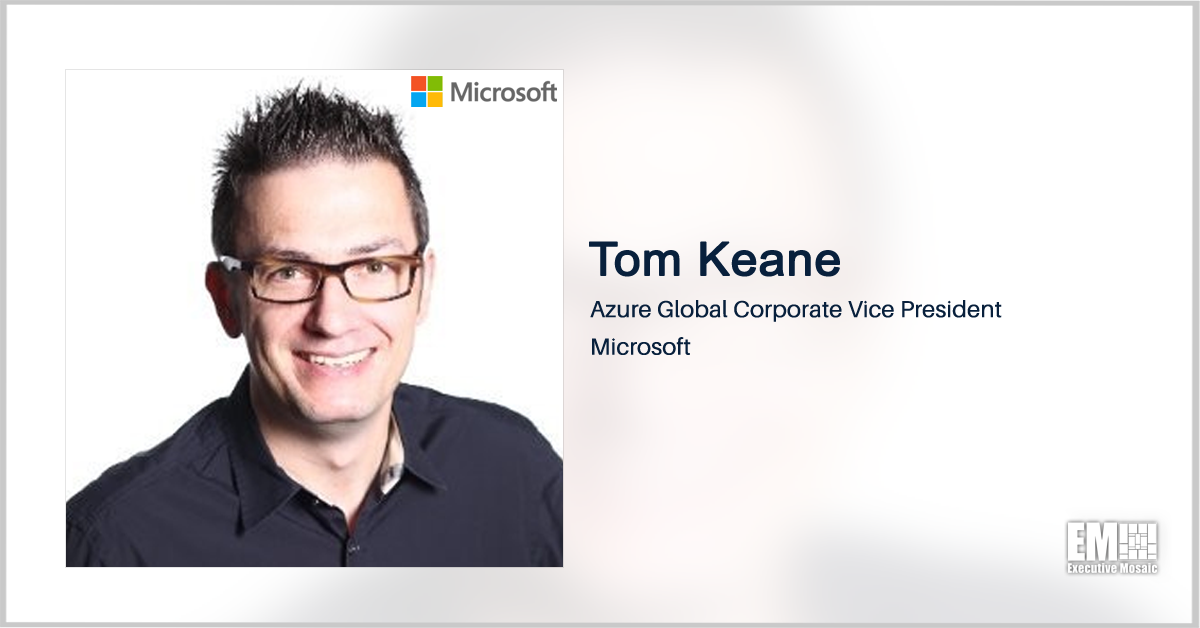
This collaboration will enable the faster gathering of Earth observation insights, aiding in its surveillance, understanding, and protection as cloud services engineer Tom Keane adds. The company has also collaborated with Loft Orbital, which develops infrastructure tools and platforms for space systems, to advance software deployment and space edge computing. Microsoft Azure offers developers the capability to develop and test software applications for space systems.
These applications can be easily deployed through Loft’s space framework and platforms to satellites located in orbit. Ball Aerospace and Microsoft have also collaborated to show on-orbit processing technologies that are reconfigurable using testbed satellites. At Microsoft Corporation, Tom Keane is in charge of the delivery and development of these projects.
He explains that by leveraging Microsoft’s developer tools and Ball Aerospace’s satellite programs, the partnership aims to develop new software and hardware that can be agilely implemented for the US Government. In conclusion, Microsoft is diligently working to minimize the obstacles that hinder space application development entry. This will open doors to new on-orbit climate data processing applications, contributing towards the sustainability of our planet. Tom Keane explains that the company’s collaborations with key players in the space industry will continue to empower individuals to become space developers with Azure.